
Ask ten people what a dental hygienist does, and most will probably give the same answer.
“They clean teeth.”
Technically, that answer is not wrong. But it leaves out most of the job.
A typical day for a Hygienist Dental Atlanta professional involves much more than routine cleanings. In many offices, hygienists spend more time with patients than anyone else on the clinical team. They answer questions, spot potential problems, explain treatment recommendations, and help people feel comfortable during appointments.
For patients, a hygienist is often the familiar face they see every six months. For dental practices, hygienists help keep preventive care on track and play a major role in maintaining long-term patient relationships.
That responsibility starts the moment the workday begins.
The Morning Usually Starts Before the First Patient Arrives
Most hygienists do not walk into an office five minutes before the first appointment.
The day often begins by reviewing schedules, checking patient records, and preparing treatment rooms. A quick review of health histories can reveal important changes since the patient’s last visit.
Maybe someone started a new medication.
Maybe a patient recently had surgery.
Maybe a medical condition requires extra attention during treatment.
These details matter because oral health is closely connected to overall health.
By the time the first patient sits in the chair, the hygienist has already spent time preparing.
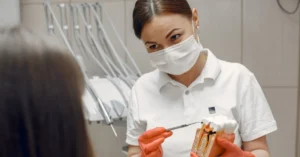
Every Patient Appointment Looks a Little Different
One of the reasons many professionals enjoy this career is that no two days feel exactly the same.
A patient who visits regularly may only need a routine cleaning and examination. Another patient may arrive after several years without dental care.
Some patients are relaxed.
Others are nervous before anyone even picks up an instrument.
Part of the job is understanding how to adjust communication based on the person sitting in front of you.
A skilled hygienist knows when to explain more and when to simply listen.
That human side of the job often surprises people entering dental careers Atlanta Ga for the first time.
Preventive Care Is a Bigger Part of the Job Than Most People Realize
When people think about dentistry, they often picture treatment.
Fillings.
Crowns.
Implants.
The reality is that preventive care remains one of the most important parts of maintaining oral health.
Hygienists spend much of their day removing plaque buildup, checking gum health, and helping patients understand how daily habits affect their teeth.
Sometimes a simple conversation about brushing habits can prevent a future dental problem.
That kind of impact does not always get noticed immediately, but it matters.
Working Closely With Dentists Throughout the Day
Hygienists do not work alone.
Throughout the day, they collaborate with dentists, assistants, and office staff to make sure patients receive the care they need.
In many practices, hygienists gather information that helps dentists evaluate treatment needs.
Whether working alongside general dentists Atlanta Ga or specialists, communication becomes an important part of the role.
Strong teamwork creates smoother appointments and better patient experiences.
Patient Education Becomes Part of Every Appointment
Many people leave dental visits with questions.
Should I floss differently?
Why are my gums bleeding?
What happens if I delay treatment?
Hygienists spend a surprising amount of time answering questions like these.
The goal is not simply to clean teeth.
The goal is to help patients understand how to maintain their health between appointments.
Some conversations last a minute.
Others take longer.
But those discussions often make a lasting difference.
Technology Has Changed the Role
Dental offices today look very different from those of twenty years ago.
Digital X-rays, scanners, patient management software, and advanced imaging tools have become part of daily workflows.
For newer professionals entering dental clinic jobs Atlanta, technology is now part of the job from day one.
Still, technology supports patient care. It does not replace human interaction.
Patients remember kindness and communication long after they forget which equipment was used.
The Emotional Side of the Job
Not every patient arrives feeling confident.
Some are embarrassed about their oral health.
Others have had difficult experiences in the past.
A good hygienist learns how to make people feel comfortable without judgment.
That skill cannot be learned entirely from a textbook.
It develops through experience.
Many professionals, including leaders such as dr dipesh patel dentist, understand that patient trust is built through consistent interactions over time.
And hygienists play a major role in building that trust.
Why Many People Stay in This Career Long Term
There are easier jobs physically.
There are jobs with fewer patient interactions.
Yet many hygienists stay in the profession for years.
The reason is simple.
They enjoy helping people.
There is something rewarding about seeing patients return healthier than they were during previous visits.
That progress becomes part of the motivation to keep showing up every day.
Posted on behalf of
Phone: 678-288-4928